
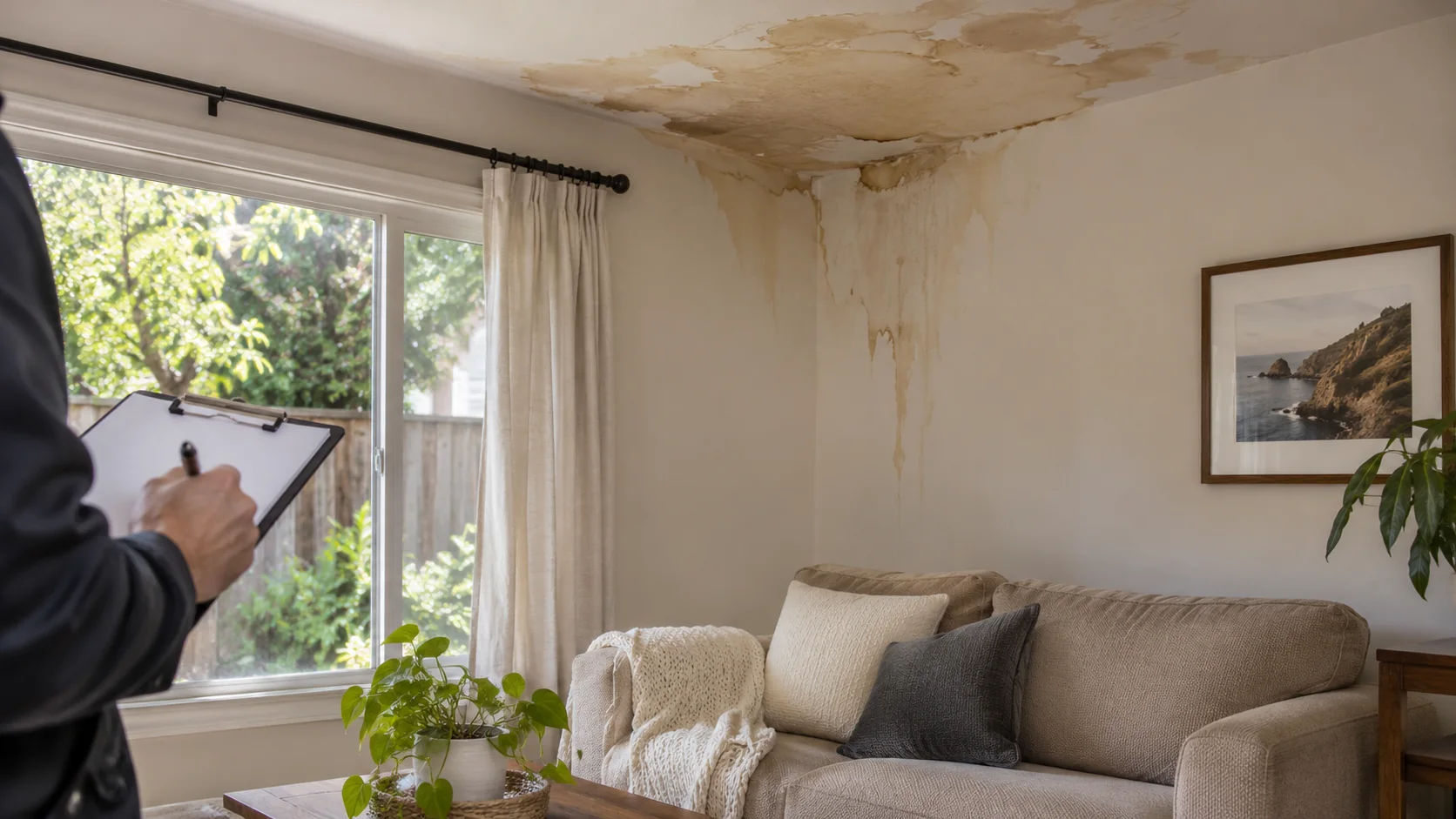
When the claim process becomes a dispute.
Property insurance is meant to address covered losses, but disagreements can arise over the scope of coverage, the investigation, the amount of payment, and the handling of a claim. For a policyholder, those disagreements can have immediate consequences for repairs, housing, and financial stability.
Law Office of Melkon Torosyan, P.C. represents policyholders in property insurance and bad faith disputes throughout California. The analysis begins with the policy, the loss, the claim history, and the insurer’s stated position.
The policy and the record come first.
Coverage cannot be evaluated in the abstract. The applicable policy language, endorsements, conditions, and exclusions must be considered alongside the circumstances of the loss.
Claim correspondence, estimates, inspection materials, photographs, payment records, and requests for information may help show how the dispute developed. A clear timeline can reveal what was investigated, what remains unresolved, and why the insurer took a particular position.
Questions the firm can evaluate.
- Coverage denials and disputes over policy interpretation.
- The scope and valuation of property damage.
- Investigation delays and requests for additional information.
- Disputed payments and the basis for an insurer’s calculation.
- Additional living expense issues and related policy benefits.
- Whether the claim handling supports a potential bad faith theory.
A coverage disagreement is not automatically bad faith.
A contract claim and a bad faith claim raise different questions. An insurer’s denial, delay, or valuation does not by itself establish that every available legal theory is supported. The firm examines the reasons given, the investigation, and the surrounding circumstances under the applicable law.
The purpose is a supportable assessment of the policyholder’s options. That includes identifying what further records or analysis may be needed before deciding how to proceed.
Preparing for a consultation.
Identify the insurer, the type and date of loss, the current status of the claim, and any important correspondence or deadlines. Let the firm know whether you have the policy and endorsements, estimates, and payment records.
Please provide a brief overview through the form. The firm can explain how to share policy documents and claim materials after reviewing the inquiry.
Questions you may have
Does every denial support a bad faith claim?
No. The policy, the reasons for the decision, the investigation, and other circumstances must be evaluated under the applicable law. A dispute over coverage and a bad faith claim involve distinct questions.
Which documents should I identify?
The policy and endorsements, claim correspondence, estimates, inspection materials, photographs, and payment records may be relevant. Begin with a general summary; the firm can explain how to provide additional documents.